5 Reasons Where Silver Is Used For
Silver is often seen merely as “gold’s poorer cousin” or a metal for coins and jewelry. However, this view misses the bigger picture. In 2026, silver is arguably the most critical metal for the modern technology stack and the green energy transition. From the solar panels on your roof to the smartphone in your pocket, silver is the invisible engine powering the global economy.
With the silver market facing its sixth consecutive year of structural deficit, understanding where this white metal is actually used is crucial for any investor.
Disclaimer: This article is for educational and informational purposes only and does not constitute financial, investment, or professional advice. Always perform your own due diligence before making any financial decisions.
The Dual Nature of Silver
Silver is unique because it wears two hats. It’s money, sure-central banks and stackers love it for that. But unlike gold, which mostly sits in vaults gathering dust, roughly 60% of all silver mined is consumed by industry.
It’s the most electrically and thermally conductive element on the periodic table. You can’t replace it easily, and you definitely can’t replace it cheaply. Here is where it’s actually going.
1. Electronics and 5G: The Connectivity Backbone
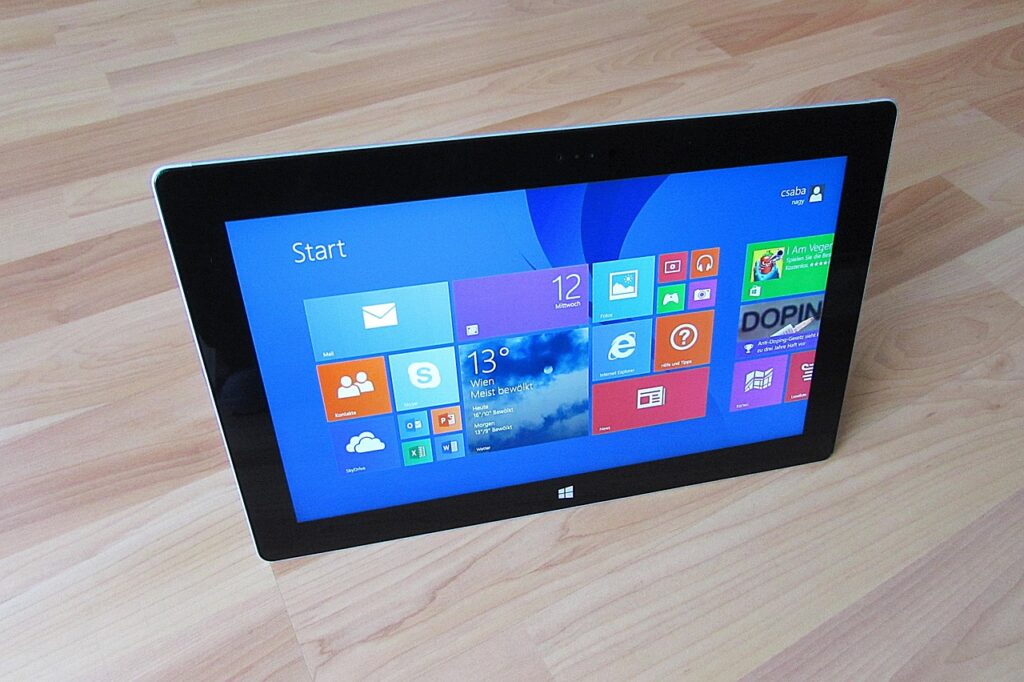
f it has an “on” switch, there is silver inside it. Because it is the best conductor of electricity, it’s the standard for switches, multi-layer ceramic capacitors (MLCCs), and membrane switches.
But the real story in 2026 is 5G. The rollout of global 5G infrastructure has been a massive drain on physical supplies. A 5G base station requires anywhere from 300% to 500% more silver than the old 4G towers to handle the frequency loads. When you track inventory, shipping, or logistics using RFID tags, that’s silver ink printed on the antenna. We are literally wiring the world with the stuff.
2. Solar Energy: The Green Sponge
The solar industry is the single biggest industrial user of silver, and it’s not slowing down.
For years, engineers have tried to “thrift” silver-using copper or other alloys to lower costs. But they hit a wall. New high-efficiency cell technologies like TOPCon and HJT (Heterojunction) actually require more silver paste, not less, to achieve the energy output targets set by governments.
In 2025 alone, solar accounted for a massive chunk of industrial demand. Every gigawatt of solar installed is essentially silver taken off the market forever (recycling solar panels is still expensive and inefficient).
3. The EV Revolution
You’ve heard about lithium and cobalt, but silver is the quiet workhorse of the EV revolution.
A standard gas-powered car uses about 15 to 28 grams of silver. A battery electric vehicle (EV)? You’re looking at up to 50 grams per vehicle.
It’s used in the battery management systems to control high currents, in the navigation, and in the safety sensors. As the world fleet slowly turns over from combustion to electric, the automotive sector’s demand for silver is compounding year over year.
4. Medical and Hygiene
Long before we had antibiotics, we had silver. It kills bacteria, fungi, and viruses.
That’s why you find it in water purification systems, hospital catheters, and burn dressings. It’s not a cyclical demand like tech; it’s a constant baseline. In a world increasingly conscious of health and sterilization, silver’s biocide properties keep a floor under demand that monetary policy can’t touch.
5. Brazing and Soldering
This is the boring one, but it matters. Brazing alloys (using silver to join two pieces of metal) are the glue of the industrial world.
You find these alloys in air conditioning, refrigeration (HVAC), plumbing, and aerospace. You need joints that don’t leak and can handle extreme heat. When emerging markets build cities, they install AC units and plumbing. That means they consume silver.
Supply Squeeze
Here is the problem: while all these industries are fighting for physical metal, the mines aren’t producing enough.
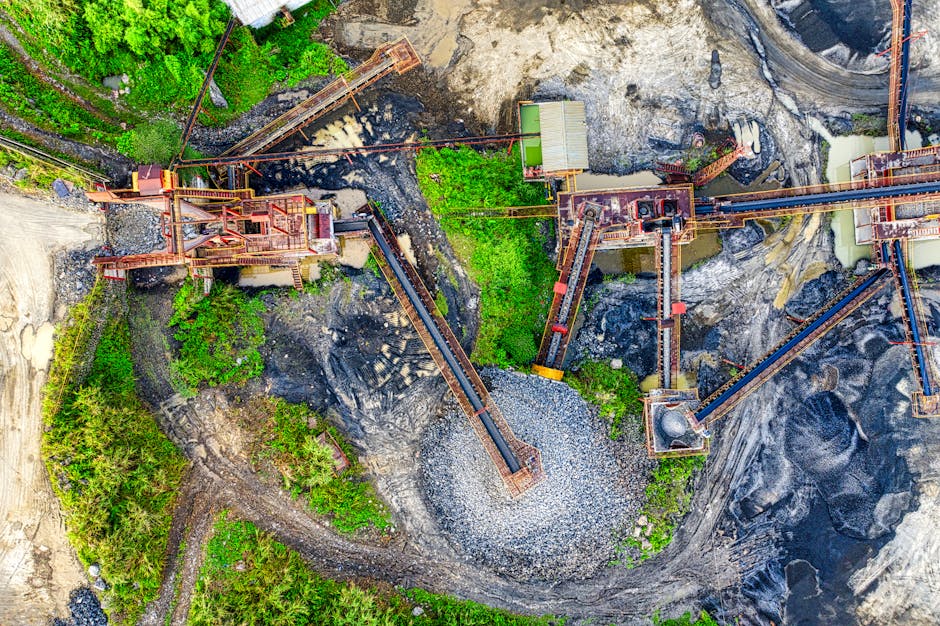
Most silver is a by-product of lead, zinc, and copper mining. You can’t just “turn on” a silver mine when the price goes up. We are looking at stagnant mine supply meeting rising industrial demand.
Industrial Demand: Up (Solar/AI/EVs)
Mine Supply: Flat
Above-Ground Stocks: Dropping
Conclusion
Don’t think of silver just as a volatile trading vehicle. Think of it as a raw material that is essential for the green and digital transition.
We are entering 2026 with low inventories and high usage. Whether for the solar panels on a roof or the 5G chip in a phone, the world needs silver. The only question left for investors is how long the price can stay this low while the warehouses are being drained.
References