Iran Names Mojtaba Khamenei as New Supreme Leader, Sending Oil Above $100 and Stocks Lower
Iran has appointed a hardline successor to its slain supreme leader, defying U.S. opposition and deepening fears of a prolonged regional conflict. Global markets responded immediately, with oil crossing $100 per barrel and major U.S. equity indexes falling at the open.
Hardline succession signals conflict may deepen
Iran’s Assembly of Experts named Mojtaba Khamenei as the country’s third supreme leader on Sunday, approximately one week after his father, Ayatollah Ali Khamenei, was killed in joint U.S.-Israeli strikes that have drawn the region into a widening war. The appointment has immediate implications for investors, driving a sharp move in energy markets and pushing major equity indexes lower.
Who Is Mojtaba Khamenei
At 57, the new supreme leader has never held elected office, but for years operated quietly behind the scenes from within his father’s office, cultivating influence across the security establishment, particularly within the Islamic Revolutionary Guard Corps (IRGC). He has never given public lectures, Friday sermons, or political addresses, and many Iranians have not heard his voice despite knowing for years that he was a rising figure within the theocratic establishment.
Critics have pointed to his limited formal experience, modest theological credentials, and the regime’s traditional aversion to dynastic rule. His selection is also notable for being unprecedented: it marks a leadership transition that effectively keeps power within the same family, something that has not occurred in the Islamic Republic’s history.
The IRGC and Iranian political leaders from the foreign ministry to parliament issued statements pledging their allegiance to the new supreme leader as the war entered its tenth day.
Stock Market Reaction
Global markets moved sharply in response to the news. Stocks opened lower and oil prices crossed $100 per barrel as the conflict intensified. The S&P 500 fell 1.4%, the Nasdaq declined 1.3%, and the Dow Jones Industrial Average dropped nearly 700 points at the opening bell.
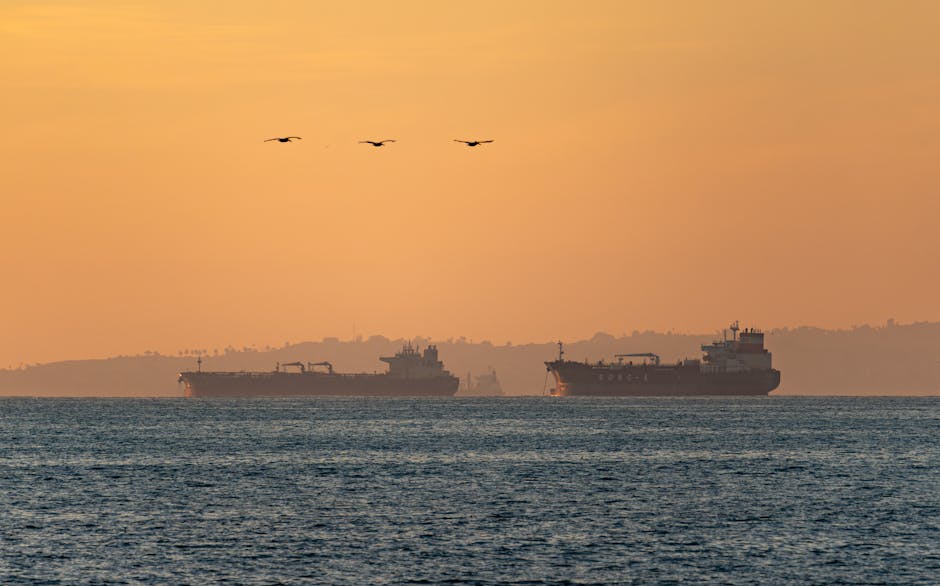
U.S. oil futures rose as high as $113.30 a barrel, while Brent crude climbed to $114.38 at one point during overnight trading before retreating from those peaks. Oil prices climbed more than 20% to their highest level since July 2022, with the move driven by supply disruptions and fears over the security of the Strait of Hormuz, a critical route for global oil shipments.
Gas prices worldwide have climbed roughly 17% since the conflict began. G7 finance ministers are meeting Monday to discuss a possible coordinated release of strategic oil reserves as governments attempt to contain the price spike.
What Investors Are Watching
The appointment of a hardline successor dims near-term prospects for de-escalation. Iran’s Foreign Minister Abbas Araghchi rejected calls for a ceasefire, saying the country must “continue fighting.” The regime appears to be betting it can weather further attacks by consolidating power around the Revolutionary Guard with the younger Khamenei at the helm.
President Trump had previously described Mojtaba Khamenei as an unacceptable choice and said the new leader “is not going to last long” without U.S. approval. Israel has stated that any successor to the senior Khamenei remains a potential military target.
European diplomatic activity has intensified, with the presidents of the European Council and European Commission holding a video conference with Middle Eastern leaders to discuss ways to bring the conflict to an end.
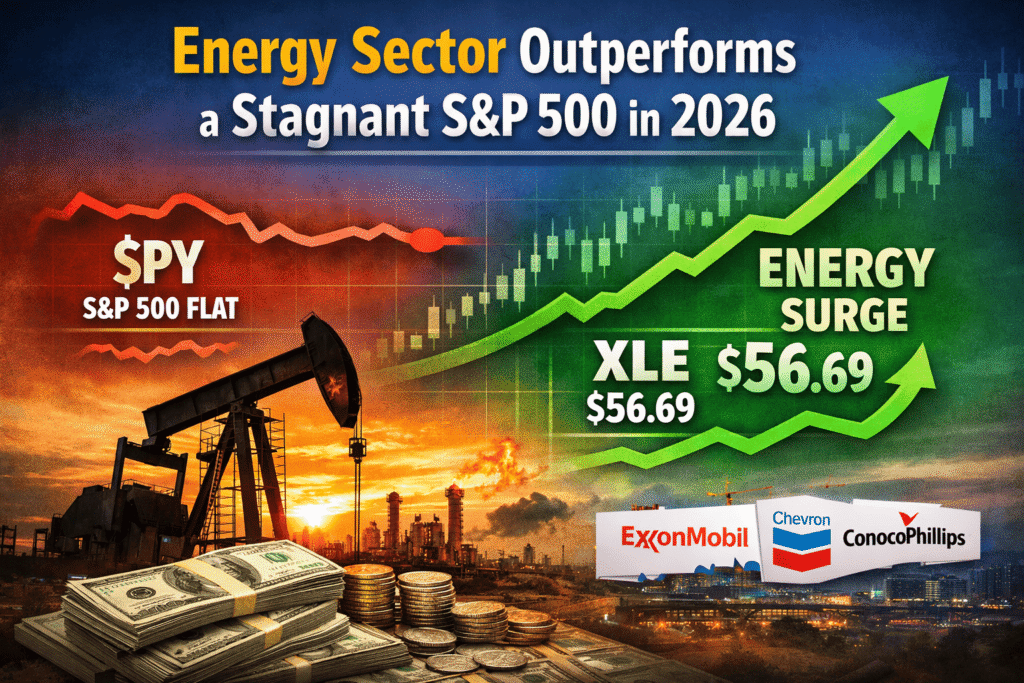
For investors tracking the energy sector, MyInvestAcademy has previously reported on how the energy sector has performed relative to the broader market during periods of geopolitical disruption, as well as the impact of the Iran conflict on oil markets.
The conflict remains active and market conditions are evolving rapidly. Investors should monitor developments around the Strait of Hormuz, which controls a significant share of global oil flows, as well as any diplomatic signals from Washington and Tehran regarding negotiations.