XRP Is Back at $1 While Ripple Keeps Winning
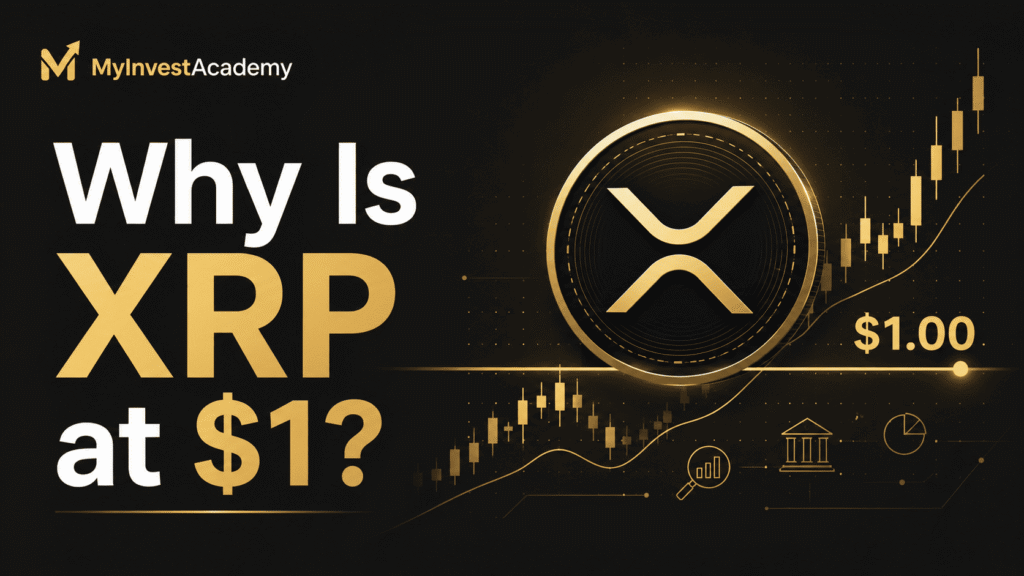
XRP traded around $1.01 on Thursday, sitting almost exactly on the bottom of its 52-week range of $1.0095 to $3.3818. The token is down more than 68% from a year ago. It began 2026 near $1.85, touched $2.41 in the first week of January, and has spent since June pinned to the $1 level.
That is a strange result for a year in which Ripple won nearly everything it had been fighting for.
Ripple won, XRP did not
The SEC case was settled in March, leaving XRP treated as a commodity under CFTC oversight and ending five years of legal limbo. Ripple secured full MiCA authorisation in Luxembourg, opening all 27 European Economic Area countries. Seven spot XRP ETFs have been trading in the US since November 2025.
None of it worked. The clearest sign is the ETFs themselves: they have pulled in $1.51 billion of cumulative inflows but hold roughly $950 million today, because the price fell faster than the money arrived. Investors who bought the funds are down about a third.
Escrow arithmetic that caps the price
Here is the part most coverage skips. On the first day of every month since December 2017, Ripple unlocks 1 billion XRP from escrow. It re-locks around 700 million, leaving roughly 300 million tokens entering circulation to fund operations, liquidity and partnerships. At current prices that is about $300 million of new supply per month, every month.
Now compare the demand side. XRP ETFs have averaged around $43 million a month across 2026, and monthly inflows have collapsed from $650 million in November 2025 to roughly $1 million this month. The funds hold about 930 million tokens, just 1.5% of the 62.5 billion in circulation.
So the supposed supply squeeze is running at roughly one-seventh the pace of Ripple’s own releases. The ETFs are not lifting the price, they are absorbing a fraction of new issuance while swimming against it. No other major cryptocurrency carries a single holder with that kind of scheduled overhang, and unlike Ethereum, XRP has no fee burn to offset it.
Bitcoin decides the tape
The macro backdrop finished the job. Bitcoin is down roughly 30% in 2026 to the low $61,000s, its weakest in nearly two years, Ethereum has lost about 45%, and total crypto market capitalisation has slipped to $2.17 trillion with sentiment readings in fear territory. Altcoins fall harder than the leader, and XRP has shown no independent strength. Goldman Sachs fully exited a $153.8 million XRP ETF position earlier this year.
There is a bull case. Exchange balances have halved since last October to a seven-year low, which usually indicates accumulation rather than distribution. JPMorgan and Standard Chartered both estimate that passage of the CLARITY Act could draw up to $8 billion a year into XRP ETFs, about $667 million a month, which would finally outpace escrow. That Senate vote has slipped to September.
To summarize
XRP is where it is because monthly supply has been beating monthly demand by roughly seven to one, in a crypto market that is down sharply across the board. Regulatory clarity turned out to be priced in long before it arrived.
The uncomfortable question for holders is strategic rather than technical. Ripple’s fastest-growing product is its RLUSD stablecoin, and the company now describes XRP as a complementary asset. Banks use the XRP Ledger without needing to buy XRP. If that stays true, the escrow arithmetic does not change no matter what Washington decides.
This article is for information only and is not investment advice. Crypto assets are highly volatile.