Gold Is Rising Again After a 30% Crash, and the War Is Not Why
Gold traded around $4,424 an ounce on Wednesday, up roughly 1.2% on the day and 10.6% over the past month. December futures opened Monday at $4,400, the highest opening price since early June.
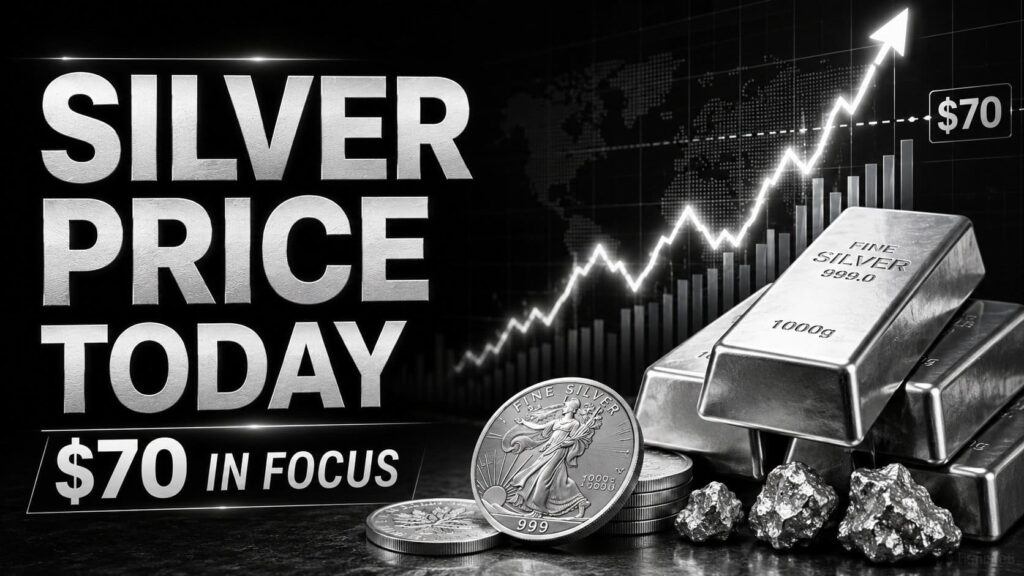
That is a real rally, but it is not a record. Gold peaked just under $5,600 on 28 January and then fell 29.7% into a low on 30 June, its worst quarter since 2013. Even after the past month it is close to flat for 2026, following a gain of more than 65% in 2025. Silver has traced the same shape, trading near $59 in late July against a January peak of $116.
Rate expectations flipped first
The trigger was the July jobs report. US payrolls fell by 23,000 against forecasts of roughly 80,000 gains, which cut the odds that the Federal Reserve raises rates again this year.
That matters more than it sounds. Gold pays no income, so its main competitor is the real yield on government bonds. When markets expect higher rates, that competitor gets stronger.
It is also why gold fell when the Iran war began in late February. Higher oil prices lifted inflation, markets priced in a more hawkish Fed, and the metal sold off through a major geopolitical crisis instead of rallying on it. That mechanism is now running in reverse: Iran talks have advanced, oil has retreated from its March highs, and a softening labour market has pulled hike expectations back.
Central banks never stopped buying
Official demand held firm through the entire drawdown. The World Gold Council reported that central banks bought 289 tonnes in the second quarter, a record for any second quarter and up 62% year on year, with the National Bank of Poland the largest single buyer.
China has been the most persistent. The People’s Bank of China added roughly 20 tonnes in July after about 15 tonnes in June, its largest monthly increase since October 2023 and a 21st consecutive month of accumulation. South Korea is returning to the gold market for the first time in more than 13 years, starting with domestically mined metal. Bullion is only about 1.1% of its foreign exchange reserves.
Fund flows decided the timing
Central bank buying set the floor. It did not cause this move. Exchange-traded funds did.
ETF holdings have risen 24 tonnes since 20 July, the fastest pace since early April. Chinese gold ETFs have logged a 14-day inflow streak worth more than $1.2 billion, the longest since March, after their worst month on record in June. European investors turned net buyers in July, and speculative net long positions on Comex sit at multi-month highs.
That distinction matters for anyone deciding how much to hold. The floor under gold is structural and slow moving. The rally on top of it is flow driven and can reverse inside a week.
What does this mean for you?
Gold is up because the market stopped expecting a rate hike, not because the world became more dangerous. The geopolitical premium has been in the price since February, and it pushed the metal down rather than up.
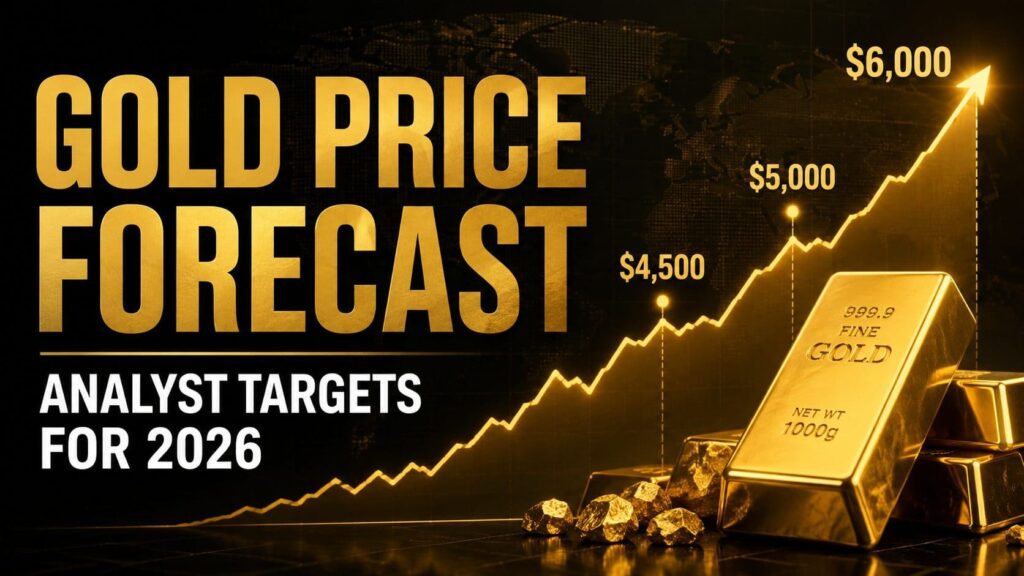
Two US inflation reports land this week, and they are the obvious test. UBS expects gold to reach $5,000 an ounce in the first half of 2027 on the view that inflation moderates and the Fed resumes easing. If inflation keeps climbing instead, the same mechanism that broke gold in the spring is still sitting there.